
The FAA has issued a final airworthiness directive, AD 2026-22-12, that supersedes AD 2022-20-11 for certain Bell Textron Canada Limited Model 429 helicopters. The new rule, published in the Federal Register on November 12, 2026, takes effect December 17, 2026. The FAA estimates that it applies to 147 helicopters on the U.S. registry, as identified in Transport Canada AD CF-2025-60R1.
The directive was prompted by reports of failed rivets at the joint between the tail-boom skin and the tail rotor gearbox support assembly, including rivets with inadequate grip length. Operators must continue the existing visual, borescope or internal, and tactile inspections of that joint. Depending on the findings, rivets may have to be removed from service or gaps repaired using a method approved by the FAA, Transport Canada, or Bell Textron Canada Limited’s Transport Canada Design Approval Organization. If the condition is not corrected, the FAA says the joint could lose structural integrity, the support assembly could detach, and the crew could lose control of the helicopter.
The change in this superseding AD is the inspection interval. After failed rivets were found inside the previous repetitive window, the manufacturer concluded that inspections needed to be done more often until a terminating action is available. The FAA rule requires operators to follow the actions and times in the Transport Canada AD, using hours time-in-service in place of air time and the FAA effective date in place of the Canadian one. Under that incorporated directive, the repetitive inspection is every 100 hours time-in-service or three months, whichever comes first, after an initial catch-up that depends on time since the last inspection.
What operators should note
The FAA describes the AD as an interim action and says further rulemaking could follow if a final fix is identified. The U.S. directive does not require operators to send inspection results to the manufacturer, even though the referenced service information asks for that reporting.
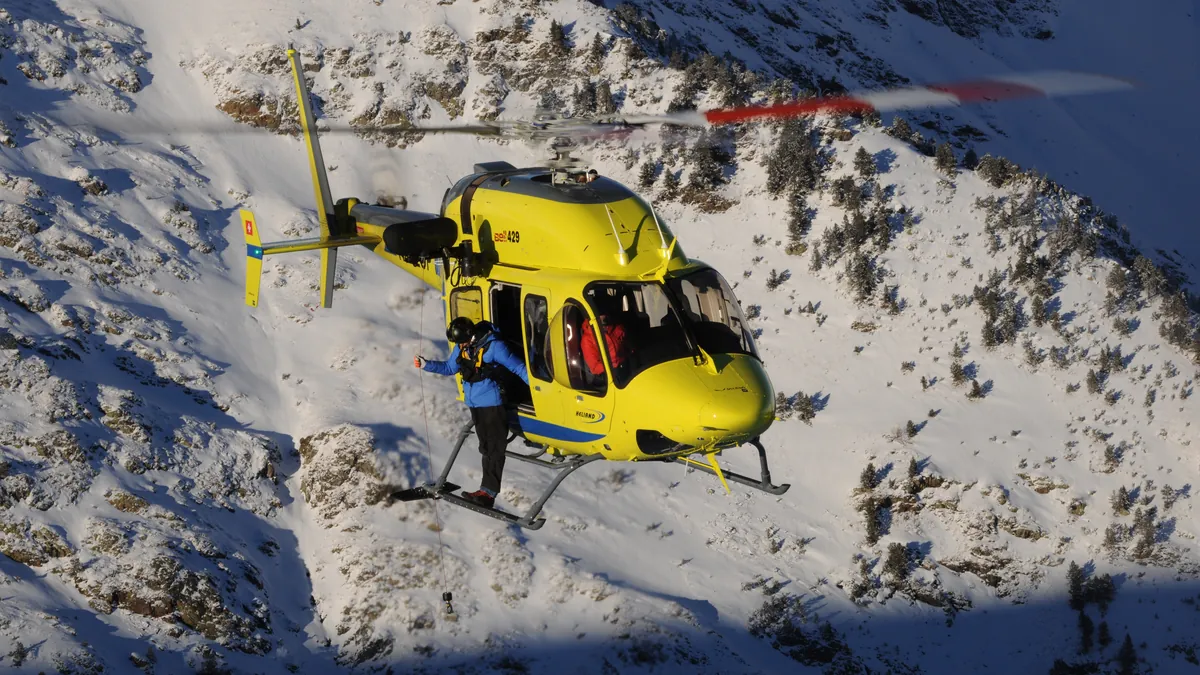
Photo: Bell (press image), file photo of a Bell 429